
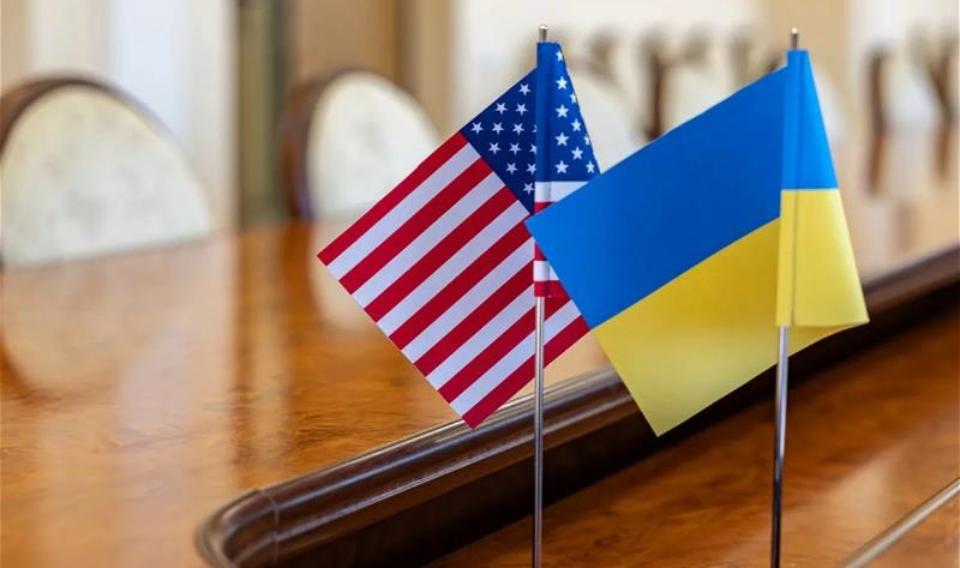
At the end of December, Ukrainian President Volodymyr Zelensky made it clear that work on an international plan to end the war had entered a practical phase. Months of intense consultations between Kyiv and Washington, which have taken on concrete form in recent weeks, are now behind us.
According to information from Ukrainian and American sources, the dialogue between the teams of the two countries is no longer limited to declarations of «as much support as necessary.» The aim is to establish a common understanding of the conditions under which the war can be stopped and what exactly will be considered a lasting peace, rather than a pause before a new escalation.
Ukraine, as emphasized in Kyiv, is ready to work with US initiatives, but has drawn a clear red line: any agreements must exclude the scenario of a repeat of aggression. The experience of 2014 and the failure of previous formats have shown that political promises without a legal and military «foundation» do not work.
The key issue in the negotiations is security. In Ukraine’s understanding, this is not limited to the presence of an army and weapons. It is about formalized commitments from allies — ones that will have not only political but also legal weight.
This is where the painful topic of the Budapest Memorandum comes up, which Ukrainian society has long seen as an example of how international guarantees can turn out to be empty promises. That’s why Kyiv is insisting today that the future security architecture should include clear mechanisms for partners to respond in case of a new attack by Russia.
A separate and fundamental point is the Kremlin’s position. Kyiv and Washington emphasize that any plans only make sense if the Kremlin gives a clear answer. Moscow’s readiness for peace should be demonstrated not in statements to an external audience, but in concrete steps — from a ceasefire to agreeing to international control mechanisms.
For now, Russia continues to combine rhetoric about negotiations with attempts to stall for time, counting on the West’s fatigue and internal political cycles in the US and Europe.
Against this backdrop, sanctions policy remains an extremely important element of the strategy of Ukraine and its allies. Restrictions against the Russian economy and military industry, despite attempts to circumvent them, are significantly reducing Moscow’s resources for waging war. According to international financial institutions, Russia’s economic growth is driven exclusively by military spending, which will inevitably lead to its collapse in the short term.
Kiev sees tougher sanctions not as an alternative to negotiations, but as a tool that makes them possible. Without pressure, Moscow has no incentive to stop its aggression.
However, even the most sophisticated diplomatic schemes rely on a factor that Kiev considers decisive. This is Ukraine’s ability to hold the front line and keep the country functioning behind the lines. According to Ukrainian leaders and Western military experts, this is what deprives Moscow of the illusion of military victory and forces it to consider ending the war.
The peace plan is being born not so much at the negotiating table as on the battlefield, thanks to the heroism and incredible resilience of the Ukrainian people. Without this, any agreements risk repeating the fate of the Budapest Memorandum.
The stronger and more stable Ukraine is today, the higher the chances of real, rather than illusory, peace tomorrow. It is precisely around this understanding that Kiev and Washington are now building a common position.